Every day, people deprived of their liberty around the world are exposed to torture, other ill-treatment, and poor conditions of detention.
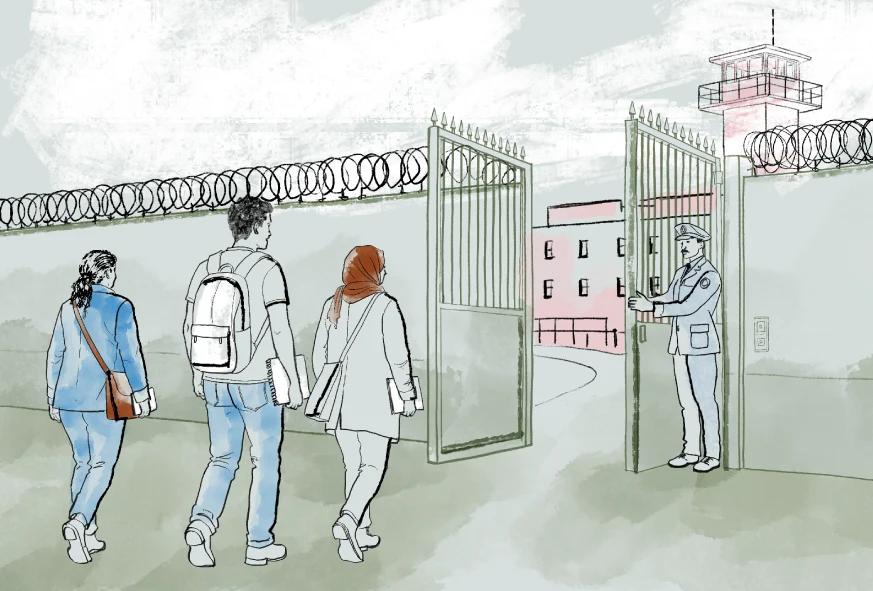
At the same time, independent monitors enter prisons to assess the conditions in which people deprived of their liberty live and the treatment that they receive from those responsible for their care and custody.
These monitors work to prevent torture and ill-treatment, not only by entering places to which others do not have access and by shedding light on what is happening inside these places, but also by engaging in constructive dialogue with the authorities about the shortcomings and challenges they identify.
The aim is not merely to identify what is wrong, but to understand why problems occur, help prevent torture and other ill-treatment, and strengthen respect for human rights.
This approach is known as preventive monitoring.
A new manual for prison monitors
Today, DIGNITY is launching a new manual designed to support those carrying out this work.
»The manual takes monitors through the different stages of the monitoring process – from interviewing people in prison and staff to observing conditions, reviewing records and identifying patterns and risks. It also addresses how to do this work safely and ethically, including how to minimise the risk of reprisals against people who speak with monitors,« says Therese Rytter, Director of Prevention & Accountability and Legal Director at DIGNITY.
The new manual also provides guidance on how to triangulate information obtained from different sources and methods, including when information may be inconsistent or contradictory.
»The aim is to give monitors the best possible understanding of what is happening inside a prison, and of the factors that may increase the risk of torture and other ill-treatment. But identifying risks is not enough. Findings need to be turned into practical recommendations and these need to be followed up on with the responsible authorities if monitoring is to lead to meaningful and lasting change,« says Therese Rytter.
The manual is grounded in international human rights standards, contemporary research, and practical monitoring experience.
It draws in particular on the extensive experience of DIGNITY staff as members of monitoring teams, both in Denmark and internationally, as well as DIGNITY’s work with monitoring bodies and partner organisations in different parts of the world.
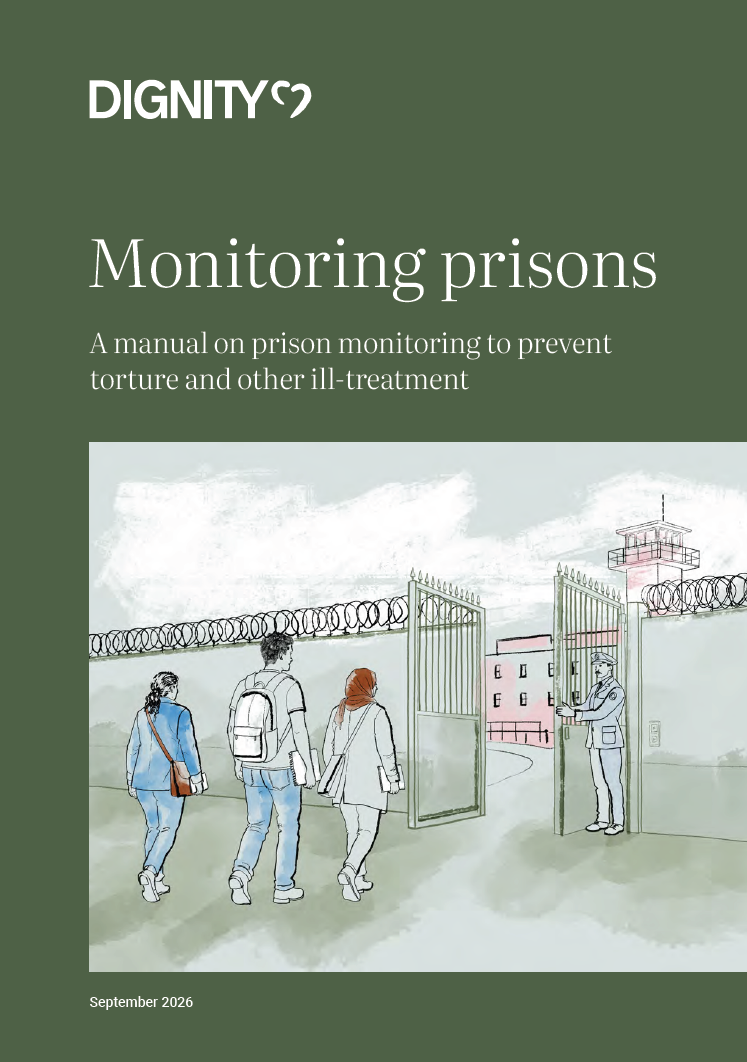
Monitoring prisons
A manual on prison monitoring
to prevent torture and other ill-treatment